
Design, Development
World Usability Day 2024: designing for a better world

by Serhat Altın ·
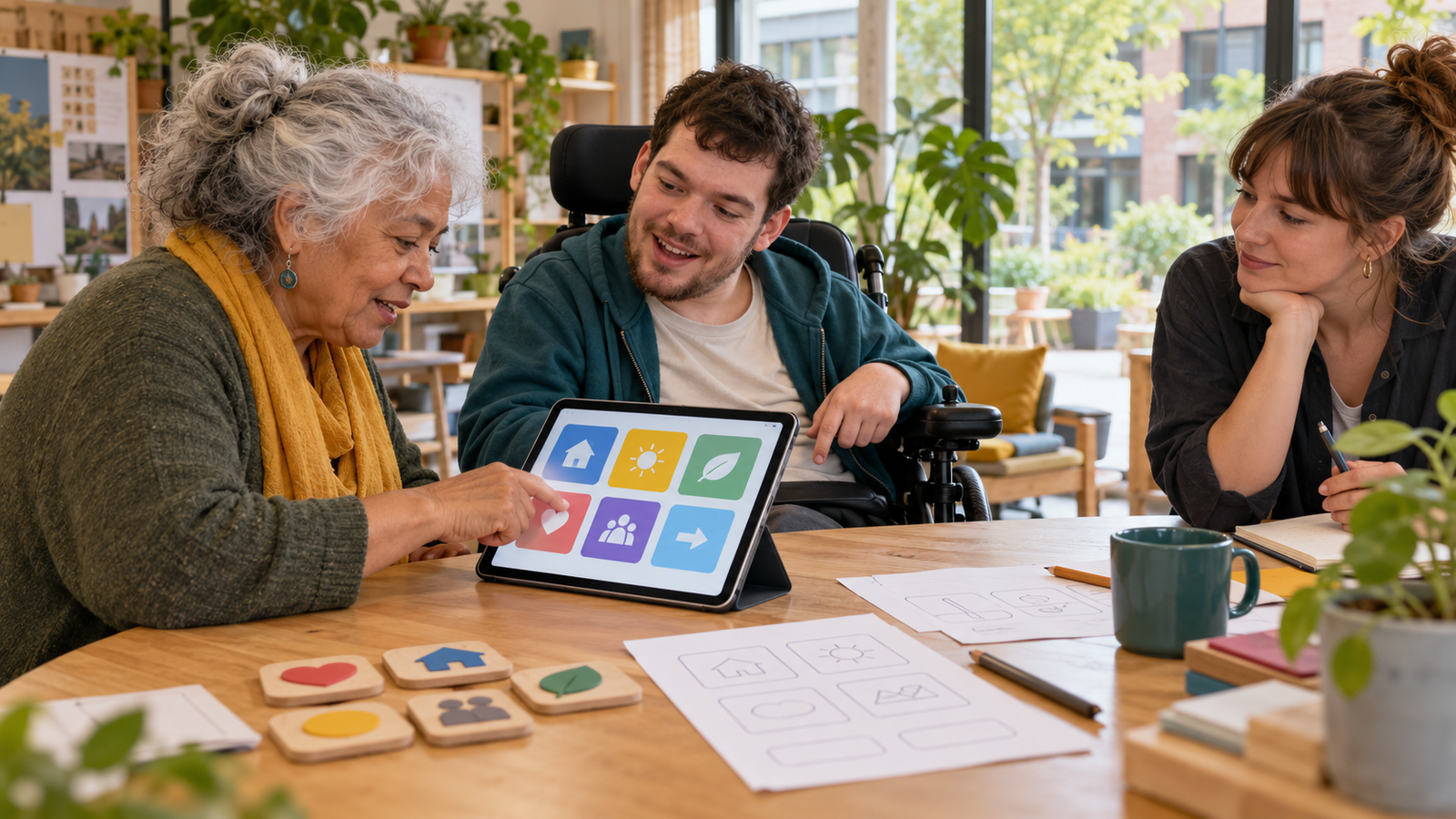
World Usability Day shows every year how important usability is for a more inclusive world. The 2024 theme, Designing for a Better World, calls for sustainable, inclusive and easy-to-use products, and for startups that is a growth opportunity.
Every year, World Usability Day (WUD) shows how important usability is for a more inclusive and accessible world. The 2024 theme, "Designing for a Better World", encourages designers, developers and innovators to put sustainability, inclusivity and ease of use first. The theme touches on a wide range of contexts, including digital product design, accessible public spaces, eco-friendly packaging and sustainable urban planning. The goal is to design products, systems and spaces that consider users’ diverse needs while contributing to a fairer and more sustainable future.
World Usability Day 2024: a call for inclusive and sustainable design
In line with this year’s theme, World Usability Day 2024 emphasises designing with purpose: creating spaces, technologies and systems that improve usability, promote inclusivity and contribute to a sustainable future. This vision spans many areas, from accessible public spaces to environmentally conscious packaging and inclusive digital platforms. Startups and businesses are encouraged to think about how their digital products and user experiences can align with these values, towards a more inclusive, sustainable and user-centred future.
Some key focus areas this year are:
- Accessible public spaces: architects and planners are encouraged to create public environments everyone can move through easily. Elements such as ramps, tactile paving and lifts make cities more inclusive and accessible for people with different physical abilities.
- Eco-friendly packaging: packaging design has become a priority for businesses that want to balance functionality and sustainability. By reducing packaging waste, choosing sustainable materials and giving clear instructions for disposal or recycling, businesses can limit their environmental impact.
- Inclusive technology: the digital world reflects these values too. App and software developers can put inclusivity first, for example by building customisable interfaces, adding speech recognition and including text-to-speech features, so digital products are accessible to people with different abilities and preferences.
- Civic participation platforms: usability and inclusivity also apply to platforms where citizens contribute ideas and opinions. With intuitive interfaces, multilingual support and accessibility features, these platforms can enable diverse communities to take an active part in decision-making and discussions.
- Sustainable transport solutions: urban transport systems designed with sustainability and accessibility in mind are good for the environment and for society. Eco-friendly vehicles, well-organised public transport and infrastructure that puts cyclists and pedestrians first contribute to sustainable urban living.
- Learning materials for everyone: designing learning resources that are accessible to students with different learning styles and abilities makes education more inclusive. Offering content in multiple formats, adding multimedia elements and providing accessibility options ensures learning resources reach and help all students.
This theme invites businesses and startups to look beyond immediate usability needs and think about how to embed inclusivity, sustainability and accessibility in their products from the very start.
Better digital product usability for startups
For startups, this year’s theme is an opportunity to see usability and accessibility as fundamental parts of product development. In the EU, where digital accessibility is becoming a legal requirement, startups that integrate these principles early can both comply with regulations and make users happier. Creating user-friendly products that meet accessibility standards may seem resource-intensive, but recent usability trends show cost-efficient strategies that let SMEs make real progress.
Key usability trends for startups in 2024
Inclusive digital design
In line with this year’s WUD theme, startups can improve usability by applying inclusive design principles. Accessible interfaces, customisable settings and assistive technologies, such as screen readers and voice control, make it possible for diverse users to work effectively with digital products.
Practical tip: start by assessing your digital product’s current accessibility using, for example, the WCAG guidelines. By building in accessibility features from the start, you avoid the cost of a redesign or redevelopment to meet requirements later.
Cost-efficient usability testing
Traditional usability testing can be expensive, but lean testing methods are now a full-fledged alternative that lets startups on a limited budget still test meaningfully. Methods such as remote testing, guided feedback sessions and rapid prototyping make it possible to tackle usability without big budgets.
Practical tip: use free or affordable usability testing platforms to test lean. Remote testing or guided feedback sessions deliver valuable insights into user needs without high overhead.
Data-driven usability improvements
Data-based usability improvements help put limited resources where they have the most impact. Data-driven decisions make clear where the pain points are, so startups can focus their efforts on the features that affect the user experience most.
Practical tip: tools such as session recordings, heatmaps and usability analytics help find problem areas and improve usability step by step. Metrics like task completion rate and user engagement provide concrete insights for targeted improvements.
Mobile-first and responsive design
A mobile-first approach is essential in a world where most users view digital content on mobile devices. Designing with mobile usability first increases user satisfaction and improves accessibility, making mobile-friendly designs a must for startups.
Practical tip: prioritise responsive design and test mobile usability alongside the desktop version, for a seamless, accessible experience on all devices. A mobile-first mindset in the first design phase also makes future updates easier.
Practical strategies for startups to improve usability and accessibility
When improving usability, startups do well to focus on strategies that deliver maximum value without overstretching resources. Here are a few practical approaches to make sure your digital product is accessible, user-friendly and compliant:
Usability and accessibility audit
An initial audit helps map the main usability issues and accessibility barriers. An audit doesn’t have to cover every aspect of a product; by focusing on high-impact user journeys and essential accessibility features, you can achieve significant improvements without excessive costs.
Prioritise the core features
Startups are often tempted to tackle all usability issues at once, but focusing first on the areas with the most impact is usually more efficient. By focusing on the key user flows, mobile usability and essential accessibility features, you lay a solid foundation.
Iterative testing and feedback loops
Testing and iterating are essential for improving usability. By testing at key moments in product development, startups can make small adjustments based on how users interact with the product, saving time and resources in the long run.
Plan ahead for accessibility requirements
Now that accessibility standards are becoming legally binding in the EU, planning ahead can save startups costly changes later. Including accessibility principles, such as the WCAG guidelines, in the product roadmap is crucial to avoid the risk of non-compliance and to ensure inclusivity.
Usability, accessibility and success for startups
With this year’s WUD theme, "Designing for a Better World", startups can make a real difference by building accessible, user-friendly products. By aligning product development with these usability and accessibility standards, startups contribute to a more inclusive digital environment, grow their market reach and comply with regulations in the EU and beyond.
World Usability Day reminds startups to put user experience and inclusivity first in their products. Embracing usability as a core principle not only increases user satisfaction but also helps build a fairer and more accessible digital world.
Read more about the initiative at worldusabilityday.org. Want to improve the usability and accessibility of your own product? See how we approach UX/UI design and software development.
Frequently asked questions
What is World Usability Day?
World Usability Day is an annual, worldwide day that draws attention to usability: products and services that are easy, accessible and pleasant to use for everyone.
What was the theme of World Usability Day 2024?
The theme was Designing for a Better World. It encourages designers, developers and innovators to put sustainability, inclusivity and ease of use first.
How can startups improve the usability of their product?
Start with a usability and accessibility audit, prioritise the core features, test iteratively with real users and plan for accessibility requirements from the start.